The short version
Snapdeal was losing users to Amazon and Flipkart, and people couldn't say why. I traced it to a trust deficit and proposed a strategy built on something the leaders didn't have: local relationships.
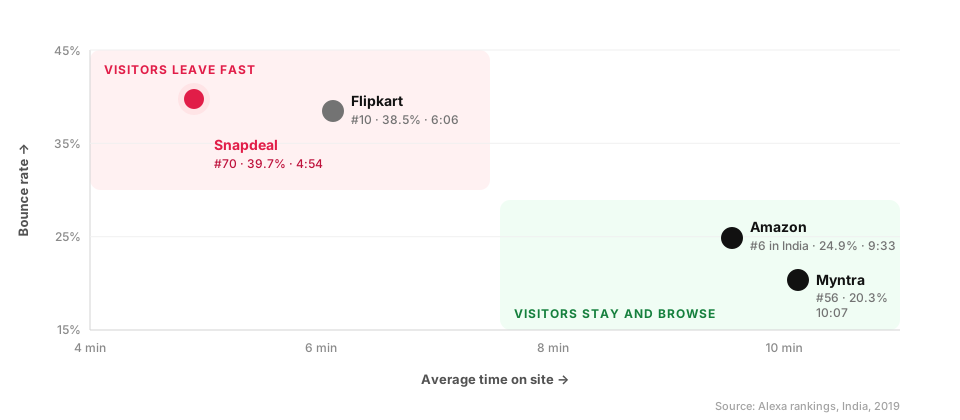
The numbers showed the gap. They couldn't explain it
| Platform | India rank | Bounce rate | Avg. time on site |
|---|---|---|---|
| Amazon | 6 | 24.9% | 9:33 |
| Flipkart | 10 | 38.5% | 6:06 |
| Myntra | 56 | 20.3% | 10:07 |
| Snapdeal | 70 | 39.7% | 4:54 |
Four in ten Snapdeal visitors left immediately, and the rest stayed about half as long as on Amazon. A friend summed up the sentiment: "It just feels… off. Not trustworthy." My question was which specific product decisions produced that feeling, and what a challenger could do about it.
Every purchase is a trust transaction
I took three passes: a teardown of Amazon, Flipkart, Myntra, IndiaMart and Snapdeal; a heuristic evaluation against Nielsen's principles; and 10 interviews where shoppers walked me through their most recent purchase.
- No single catastrophic failure. Missing status feedback, inconsistent buttons and random-feeling recommendations added up.
- Shoppers compare across apps to reduce risk, not only to find the best price. "One bad experience and I never go back."
- Trust is fragile and lopsided. It takes many good experiences to build and one wrong size or misleading photo to lose.
Two mindsets with the same underlying fear
The Convenience Seeker
A busy professional who knows what she wants. She wants a fast checkout, complete information up front and painless returns.
Fear: wasting time on a product that won't fit or match the listing.
The Deal Stalker
A budget-conscious student who likes to explore. He relies on reviews and real photos, and compares prices across apps.
Fear: regretting a purchase he can't afford to get wrong.
Compete on certainty, using assets the leaders didn't have
A challenger can't beat the leaders on catalogue size, logistics or price. What it can do is remove uncertainty at the moments where shoppers hesitate, using local businesses as a network the leaders hadn't built. I proposed four bets, each tied to a specific fear and a metric it should move:
| Bet | Fear it removes | Metric it should move |
|---|---|---|
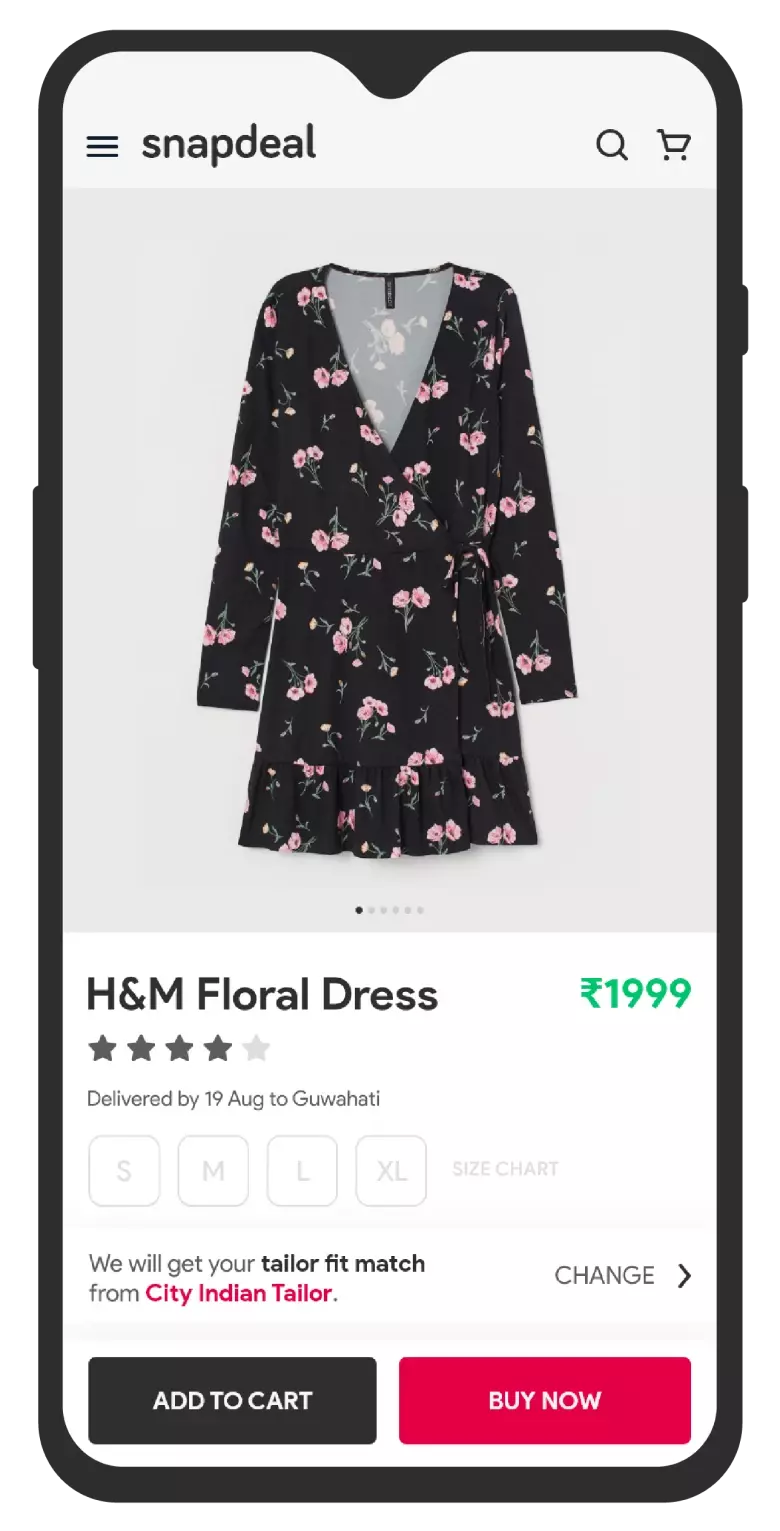
| Tailor Fit: a neighbourhood tailor measures you once, and the platform recommends sizes from those measurements | "Will this fit me?" | Clothing return rate, size-related returns |
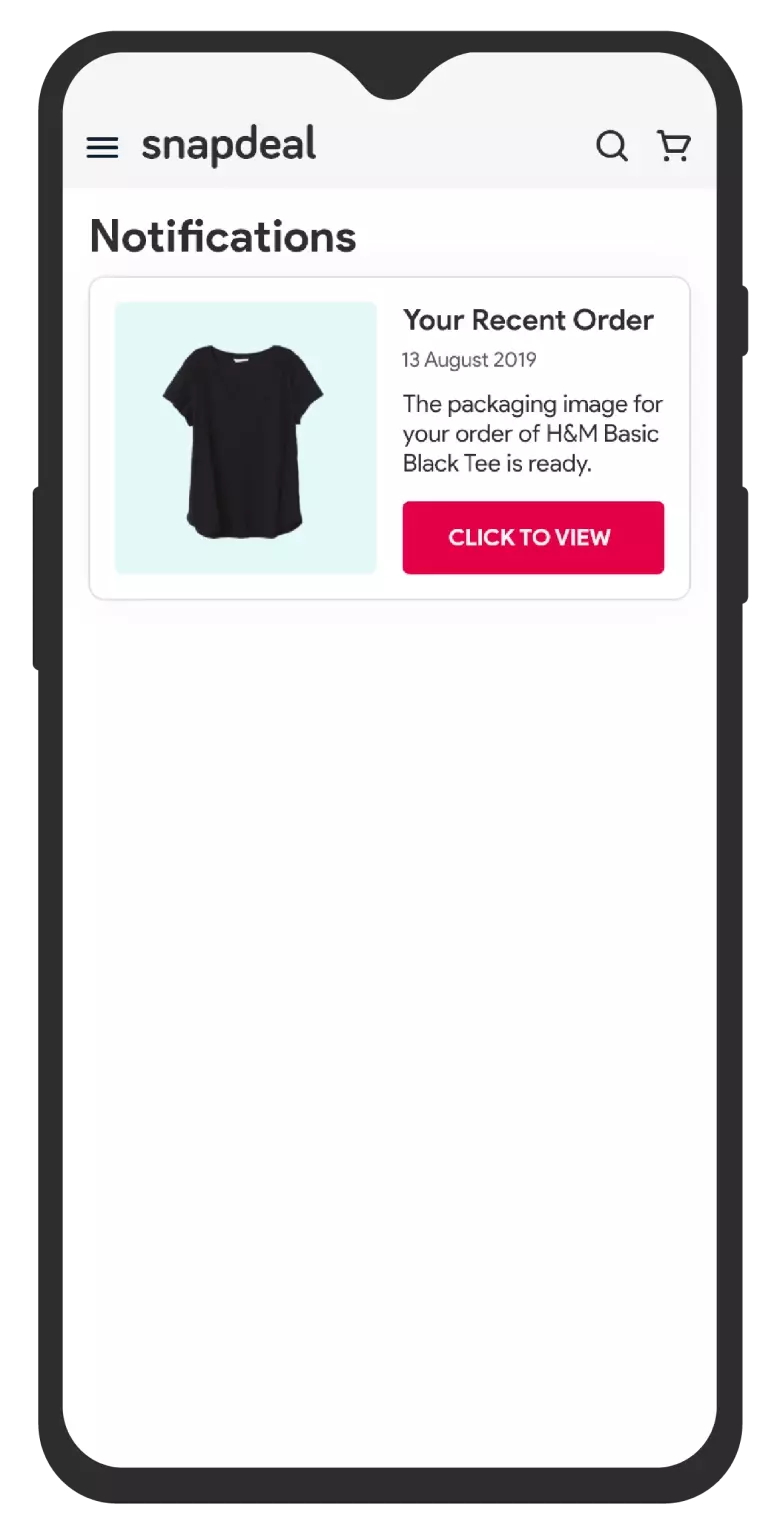
| Photo of the exact item before dispatch, with a window to confirm or cancel | "Will it look like the listing?" | Quality complaints, negative reviews |
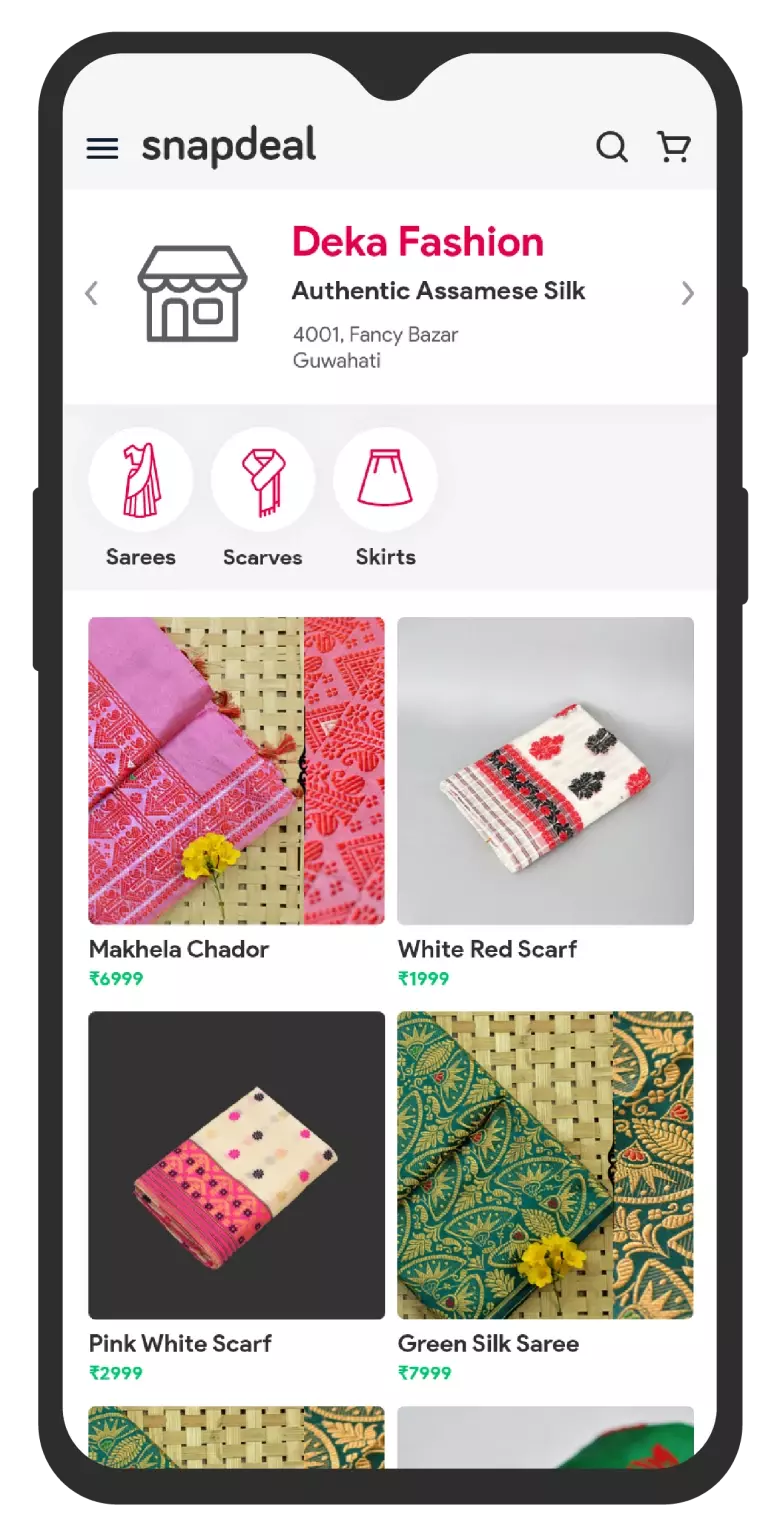
| Buy from neighbourhood stores you already trust, with same-day delivery | "Is this seller legitimate?" | First-purchase conversion, repeat rate |
| Occasion-aware suggestions from your calendar, such as birthdays and trips | "I'll waste time searching" | Sessions per user, time to purchase |
Why this is defensible
Tailor networks and neighbourhood sellers are relationships built on the ground, which are slow for a leader to copy. They also bring local businesses onto the platform instead of competing with them, which makes the network more valuable as it grows.
Risks I'd test first
- Operational cost: photographing every item before dispatch, and tailor onboarding, need unit economics that work. I'd pilot both in one category in one city.
- Privacy: calendar access must be opt-in and clearly valuable, or it erodes the trust it is meant to build.
- Supply quality: local sellers need a reliability bar, or "shops you trust" turns into "shops you've never heard of".
A thesis that became published research
The work was accepted at ICoRD’21, the International Conference on Research into Design, and published by Springer in Design for Tomorrow. The prototype shows the bets as working screens: tailor matching, the dispatch-photo notification and local storefronts.
Find the real metric
Bounce rate was the symptom. Trust was the cause.
Ask about behaviour, not wishes
Walking through a recent purchase surfaced fears that a feature wishlist never would.
Challengers need different assets
Copying the leader's playbook is a losing game. Find what they can't easily replicate.
See the research and prototype
The heuristic evaluation, personas, journey and prototype screens.
Design case study →